
Our team combines the specialized knowledge of forestry engineers and experts in GIS and remote sensing, along with the operational skills of technicians specializing in drones, sensors, and pilots with extensive experience in forestry and environmental missions
FOREST INVENTORY AND MONITORING
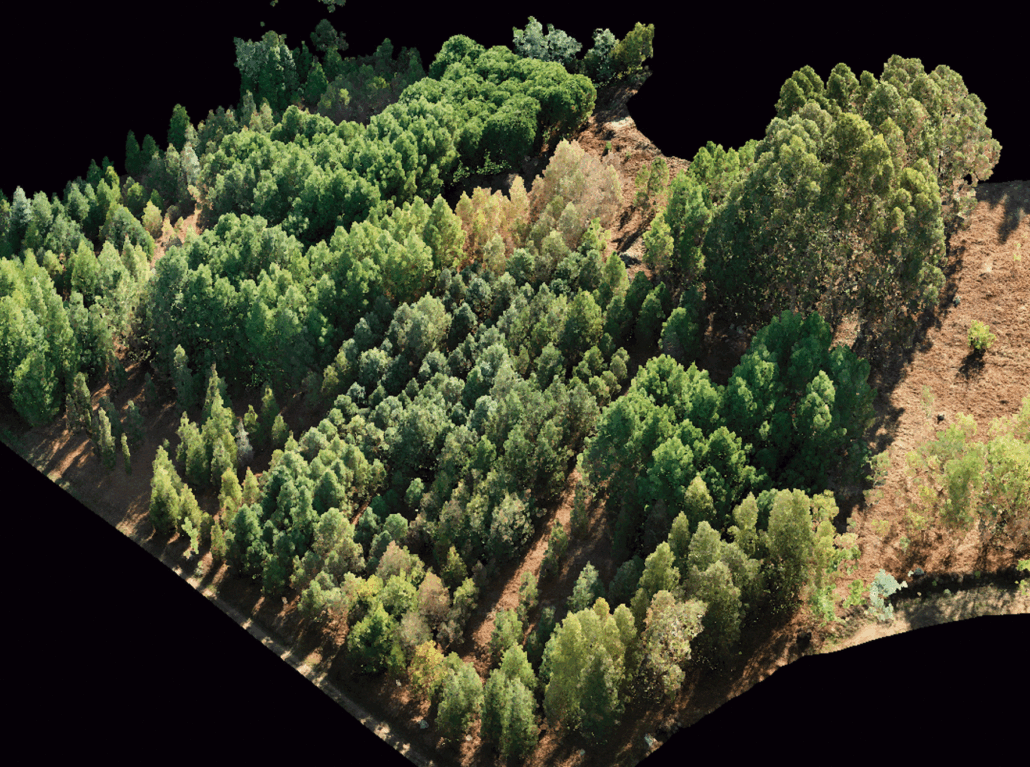
The use of drones is transforming forest inventories, making them more efficient, safer, and more accurate than conventional methods. Aeromedia uses high-resolution RGB cameras, along with LiDAR and multispectral sensors, to generate detailed orthomosaics, 3D point clouds, and digital terrain models (DTMs).
These products enable forest mensuration analysis, determining key parameters such as height, density, cover, and stand volume, and also facilitating biomass estimation. Furthermore, spectral information makes it possible to differentiate species or groups of species, or to identify areas with natural regeneration or developing plantations.
This service facilitates not only the monitoring and tracking of forest stand growth, but also the planning of harvesting and conservation programs, providing data that significantly improves upon traditional inventories.
Advantages: Greater geometric accuracy, reduced fieldwork costs, and faster access to updated information.
PREVENTION AND CONTROL OF FOREST FIRES
Drones are an essential tool today for anticipating and responding effectively to the threat of wildfires.
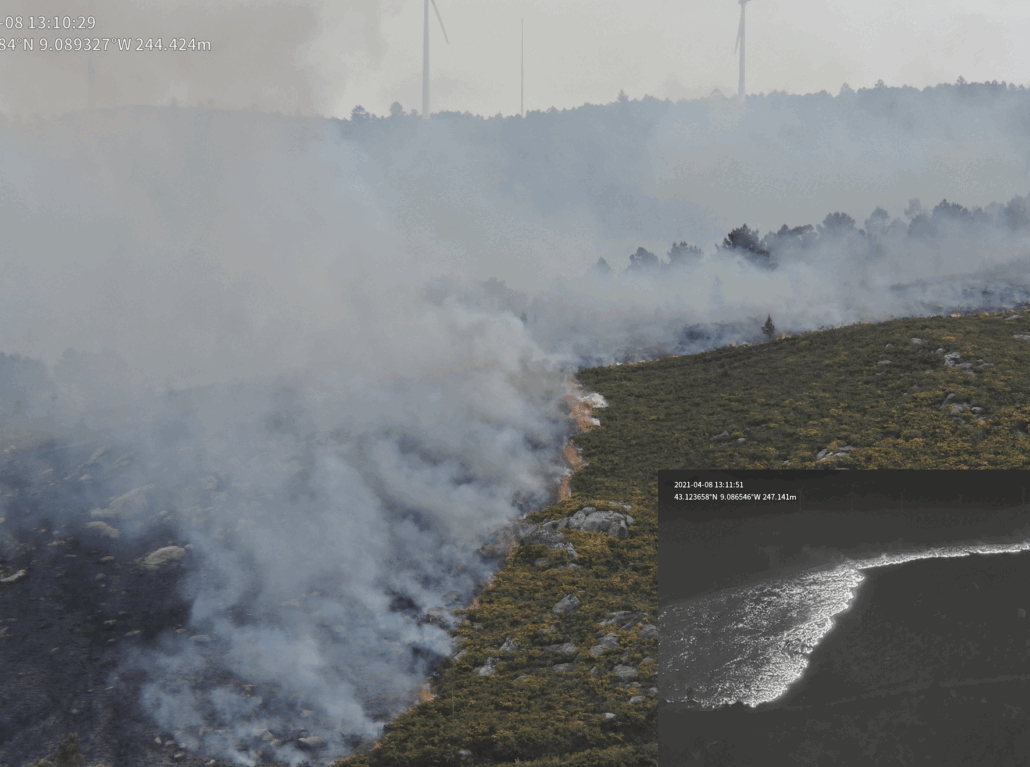
- Prevention: The use of sensors mounted on drones allows for the generation of Fuel Models, fundamental for analyzing and modeling fire risk and for decision-making in forest planning and management. Furthermore, drones equipped with thermal cameras enable the early detection of hotspots.
- Operational Management: During a fire, drones provide emergency teams with a real-time aerial view, optimizing coordination and increasing the operational safety of personnel on the ground.
Post-Fire Assessment: Capturing aerial images allows for the generation of maps showing the severity and extent of affected areas, key information for damage assessment and subsequent restoration planning.
FOREST HEALTH AND PESTS
Monitoring ecosystem health is crucial to preventing massive losses from pests or diseases.
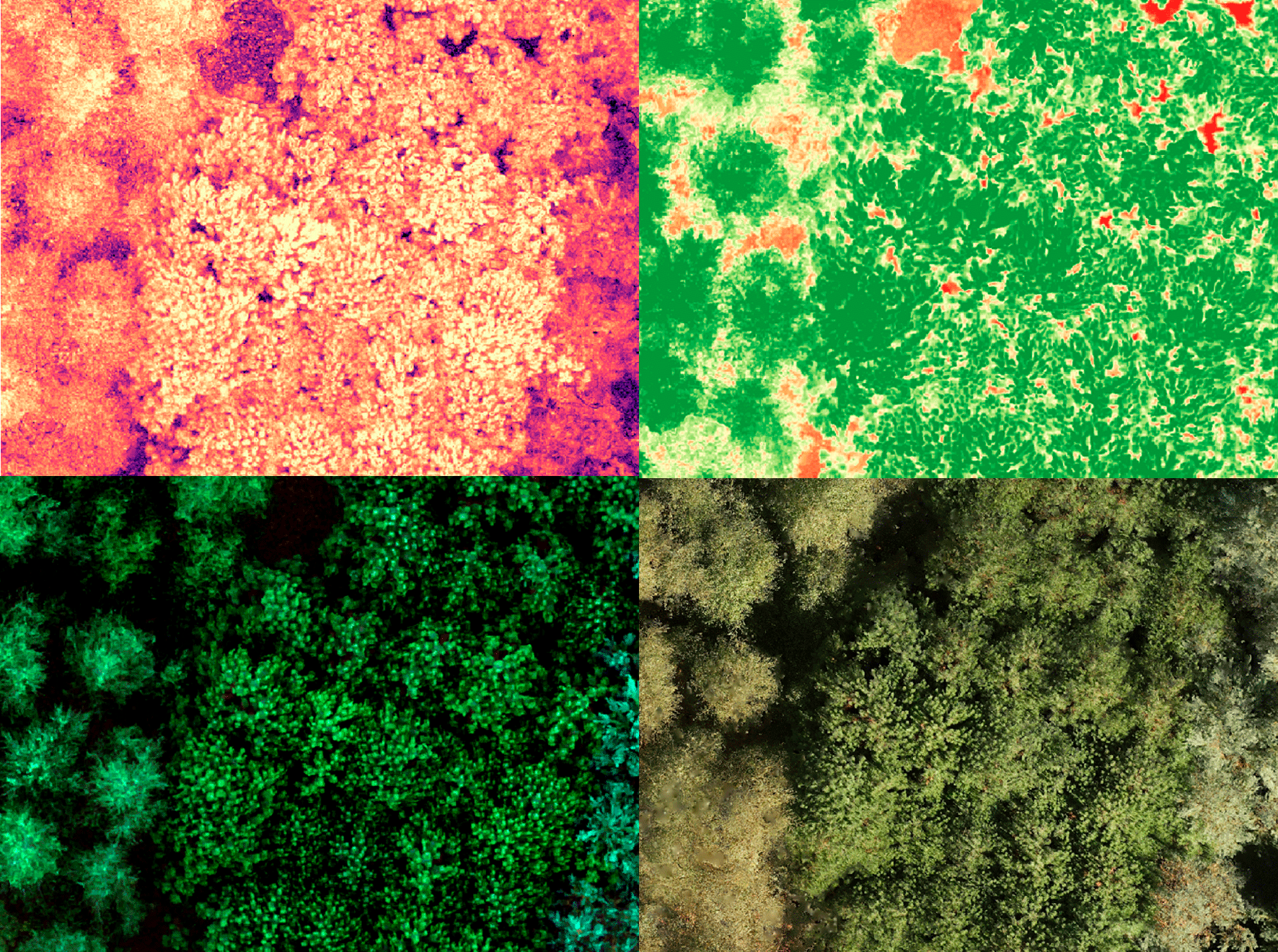
The use of drones with multispectral cameras allows for the detection of physiological changes in vegetation before symptoms are visible to the human eye. Products derived from the data captured by these sensors, such as NDVI and SAVI indices, make it possible to identify areas of stress associated with nutrient deficiencies, insect pests, fungi, or diseases.
Early detection facilitates the application of targeted control measures, thus optimizing resources and minimizing the impact of treatment.
REFORESTATION AND RESTORATION OF ECOSYSTEMS
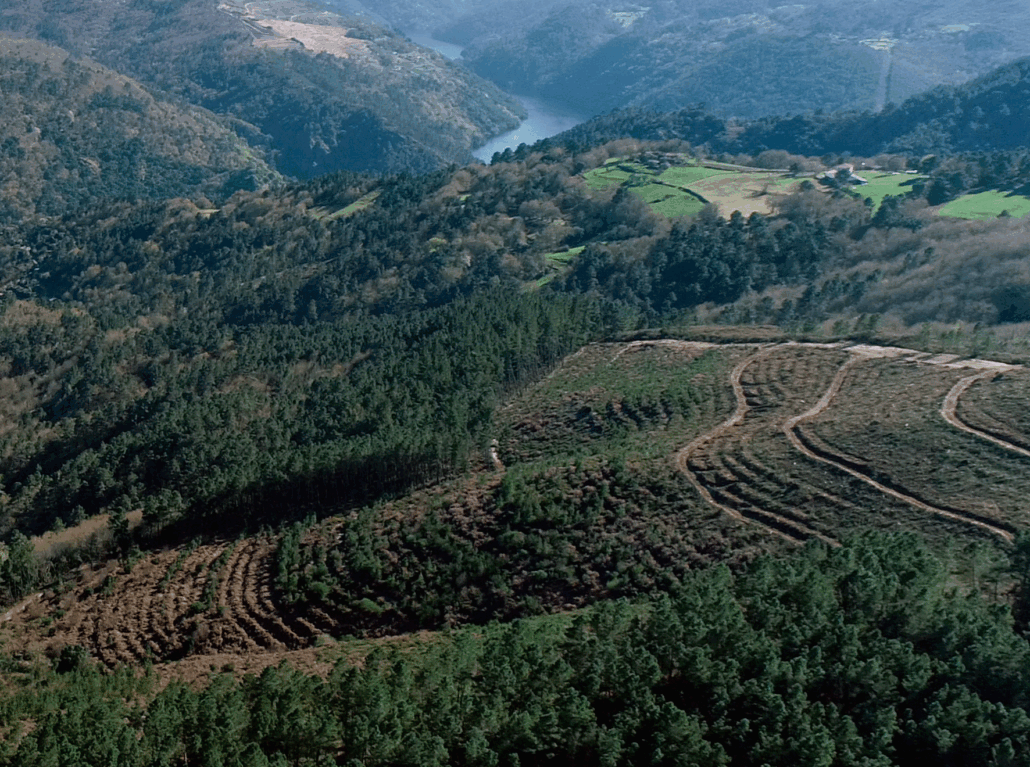
Using drone technology, we are driving innovation in the restoration of degraded ecosystems.
- Aerial seeding: The use of seeding drones allows for the precise and massive dispersal of biodegradable capsules containing seeds, nutrients, and moisture-retaining polymers in hard-to-reach areas.
- Monitoring: Simultaneously, we use aerial mapping to monitor the success of reforestation efforts.
Advantages: Accelerated recovery processes, reduced costs associated with manual labor, and expanded geographic reach of projects.
CARTOGRAPHY AND TERRITORIAL PLANNING
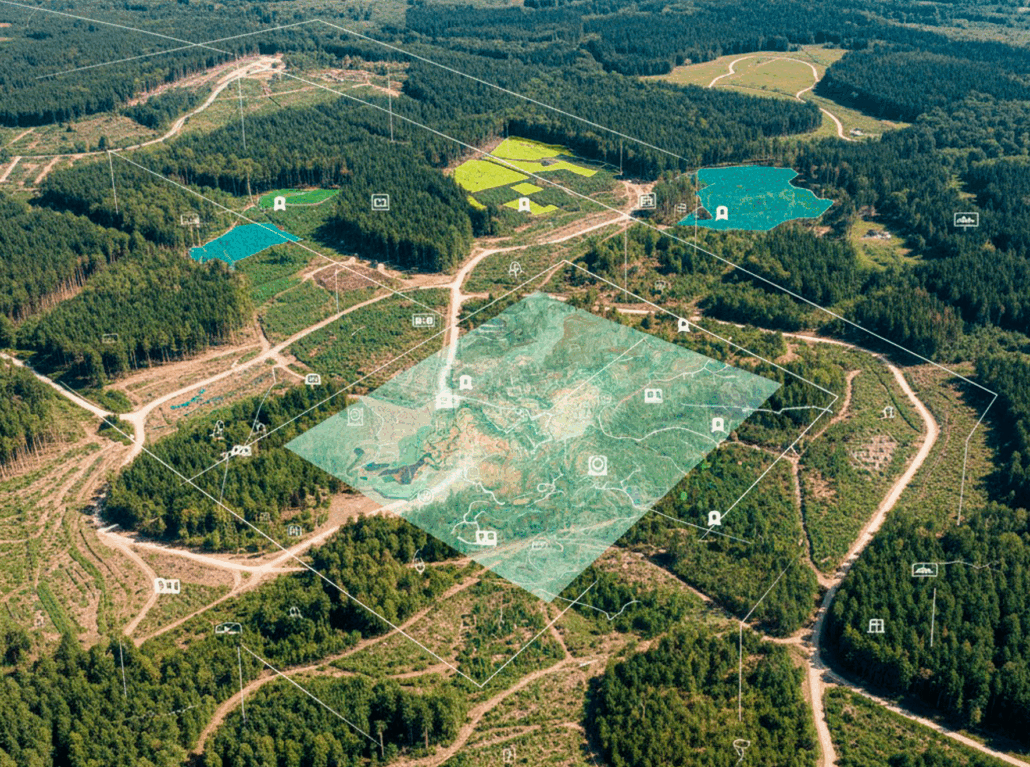
Through drones, we obtain a detailed and comprehensive view that is indispensable for environmental and land management.
- Cartographic Products: Using photogrammetric and LiDAR techniques, we create topographic maps, high-resolution orthophotos, digital terrain models, and 3D reconstructions with a level of detail superior to satellite remote sensing systems.
- Planning Tools: The captured information is essential for the design of forestry infrastructure, the delimitation of conservation or harvesting areas, the performance of environmental impact studies, and more.
Key Benefits: Up-to-date and accurate information, reduced planning errors, and optimized resource use.
BIODIVERSITY CONSERVATION
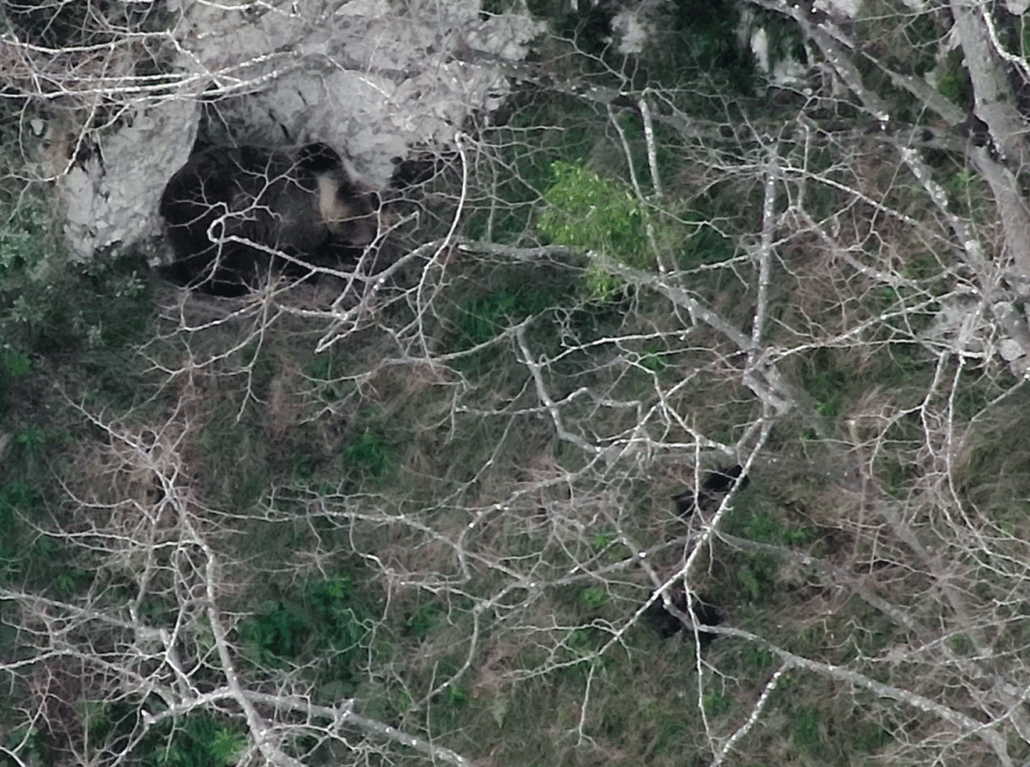
Drones are an invaluable tool in designing conservation strategies and protecting biodiversity.
- The main advantage of using drones to monitor wildlife is their non-invasive nature in natural habitats. The use of optical and thermal cameras with long-range optical zoom allows for population censuses, monitoring of nests, colonies, and protected wildlife, and recording animal behavior without disturbing species or ecosystems.
- Multispectral sensors enable the identification of biological corridors and critical areas for ecological connectivity, as well as ecosystem changes.
- These devices are highly valuable for environmental surveillance against illegal activities such as logging and poaching.
HYDROLOGY AND FOREST SOILS
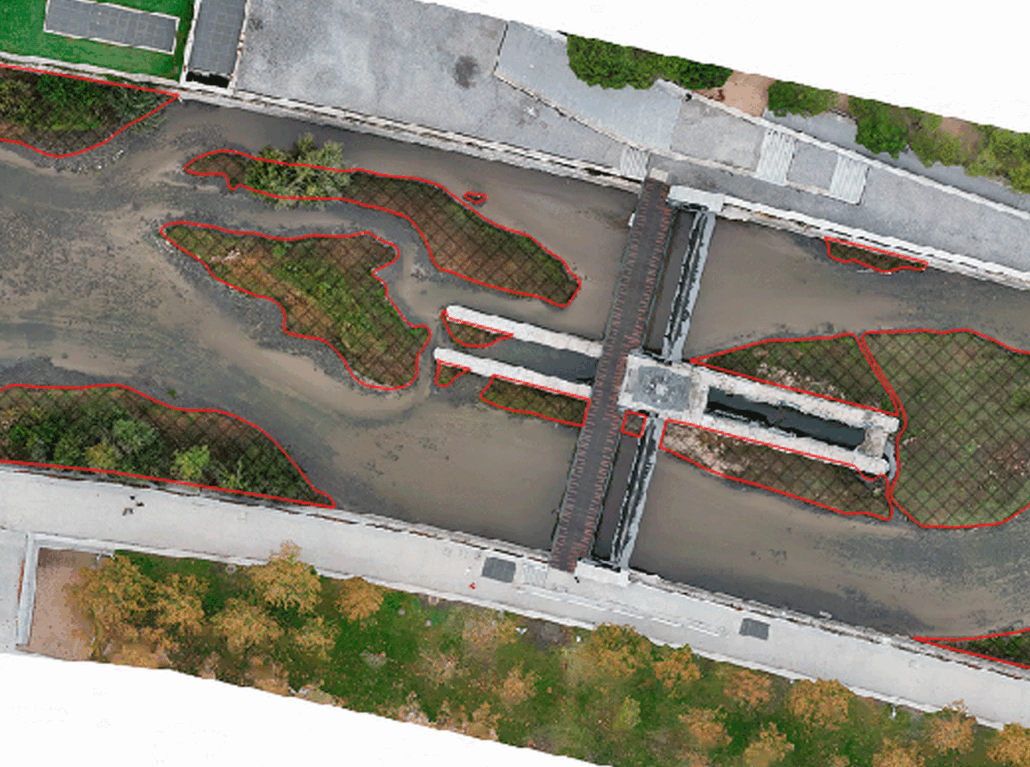
Water and soil are fundamental elements in the dynamics of forest ecosystems.
- Soil assessment: Multispectral sensors allow for the evaluation of surface soil moisture, identifying active erosion processes and areas at risk of desertification.
- Watershed modeling: Through products derived from RGB and LiDAR cameras, runoff patterns are modeled, identifying potential erosion processes and facilitating the morphological analysis of watersheds.
- Risk prevention: This information is key to preventing natural disasters such as floods or landslides, and for the design of watershed conservation plans or the study of flood-prone areas.
OUR CLIENTS


